How to Make Your Resume Stand Out in an AI Hiring World
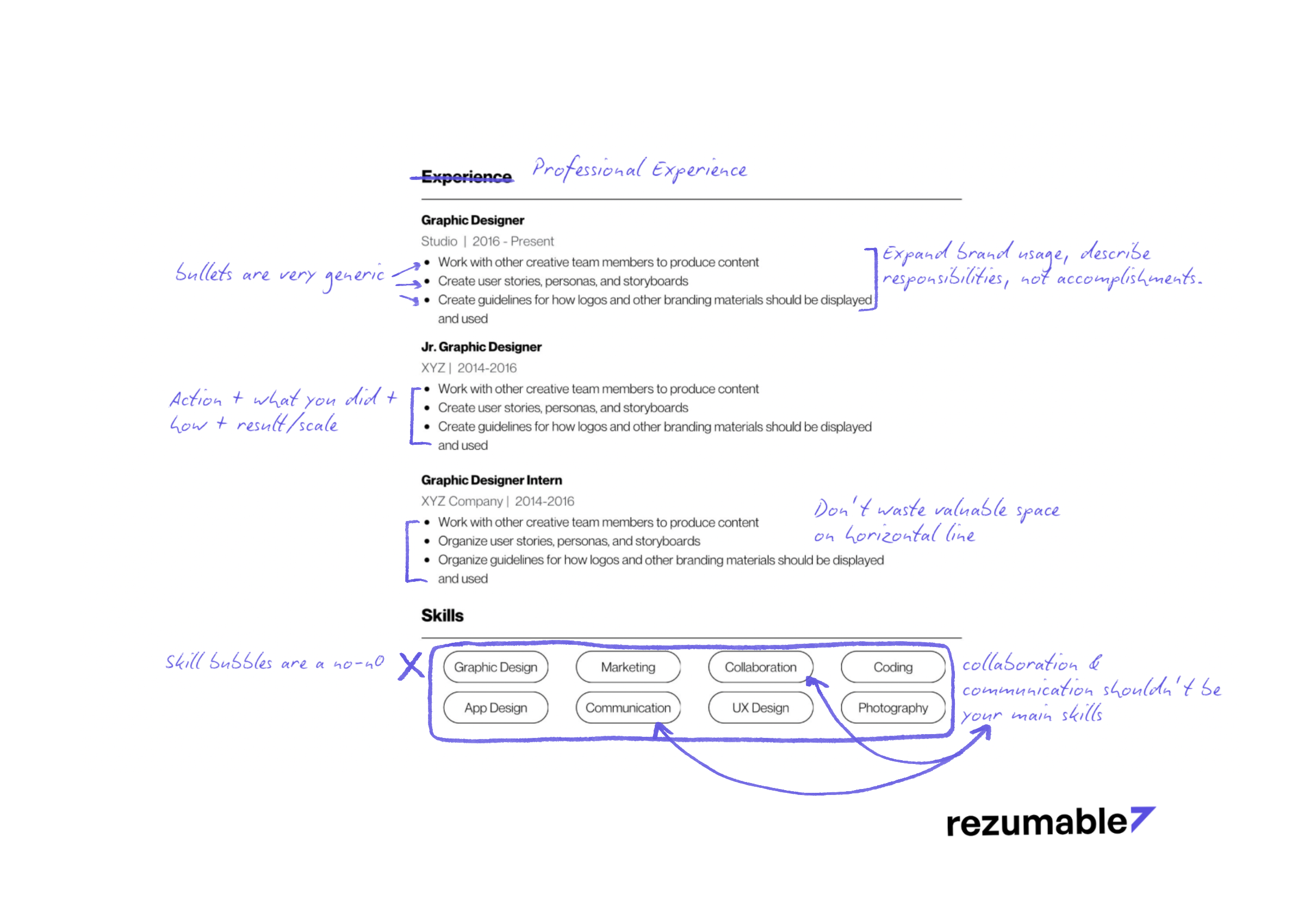
At Rezumable, we spent many weeks digging through hiring data, reading vendor white-papers, and conversations with recruiters to answer a question that keeps coming up everywhere. If AI hiring tools are reading resumes before a human ever sees them, what actually works anymore? And the answer turned out to be more nuanced than just “add more keywords,” and honestly it is more interesting too.
The Two Readers Problem
Every resume today has two types of audiences, and they do not read the same way as it is supposed to be. The first is a software, that includes ATS (Application Tracking Systems) parsing your resume into structured data, scanning keywords, job titles, and formatting patterns that match the posting. And the second reader is a human, that includes a recruiter who has six seconds and stack of numerous other resumes to get through. What we found fascinating is that these two readers often want the opposite things. The algorithm rewards repetition and precision while the human rewards clarity and a story they can remember. The resumes that stand out are the ones built for both and not one at the expense of the other, and that balance is really the foundation of good resume optimization.
What the Research Actually Shows
Digging into hiring platform data and several published studies, a few patterns kept surfacing. Resumes that mirrored the exact phrasing of the job description consistently earned a higher ATS score, which makes sense once you understand that most systems are doing keyword matching, not comprehension. But recruiters, when surveyed separately, said that the resumes that actually got them to pick up the phone were the ones with specific, quantified achievements rather than generic duty lists. In other words, an algorithm wants relevancy and the human wants proof. A resume line like “responsible for managing social media” satisfies neither. A line like “grew social media engagements by 310 percent over six months using a content calendar rebuilt from scratch” satisfies both, because it contains the exact terms the systems are scanning for and the credibility a person is looking for.
It’s hard to believe but formatting matters more than most job seekers expect too. Multiple industry reports found that resumes using tables, columns, text boxes, or embedded graphics were frequently misread or partially dropped by parsing software, even on newer platforms that claim to be more sophisticated. The safest resume format remains a single column, standard headers like “Experience” and “Education”, and a simple, readable font. It isn’t a glamorous advice, but the data backs it up with proof again and again, and it’s one of the easiest ATS friendly resume tips to apply today.
Where Most People Get It Wrong
The most common mistake we found was not the lack of effort; but it was misplaced effort. Job seekers often build one resume and send it everywhere, assuming a strong generic version will perform well across the industry. ATS scoring is relative to each specific job posting. Therefore, a tailored resume with a small change in the posting’s language about skills and job titles consistently outperforms a generic version in the data we reviewed. Tailoring doesn’t mean rewriting your resume from scratch every time. It involves modifying your summary, your core skills section, and your most recent job description to align directly with the requirements of the specific posting.
Another overlooked issue was acronyms. Some systems search for the full term, and others for the abbreviation, and plenty of candidates lose points simply by choosing one over the other. Listing both “Search Engine Optimization” and “Resume Keyword Matching” showed up repeatedly as a small fix with a significant impact on resume keyword matching.
The Real Takeaway
Standing out in today’s job market is not about outshining a machine or memorizing a trick, but it’s about understanding that your resume now has to communicate two languages fluently. The candidates who stand out are rarely those who try to manipulate the system. Instead, they invest the extra ten minutes, or in our case, utilize our system to customize their resume for the specific job. This approach provides concrete evidence to support their claims and ensures that their information is relevant to both robots and recruiters.
The world of hiring has changed, but the fundamentals have not. Relevance still wins and the proof still matters to stand out. At Rezumable, our goal is to help you write for an audience of two, because both of them are paying closer attention than you can imagine.